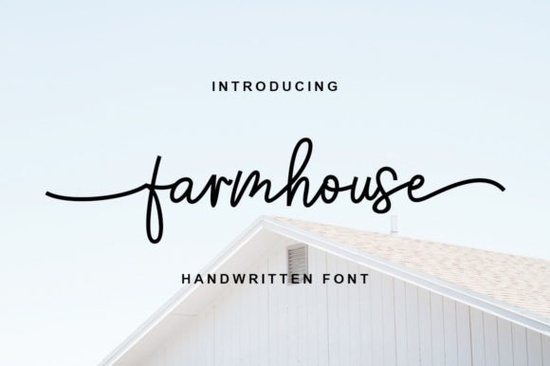
If you've been looking for a handwritten font that feels warm, personal, and slightly romantic, Farmhouse Font is worth your attention. It's a hand-lettered typeface that reads clearly at both large and small sizes, which makes it flexible enough for everything from magazine headlines to wedding invitations. Whether you're a designer juggling client projects or a crafter working on something special for the weekend, this font fits into a surprising number of creative situations.
What Makes This Handwritten Font Different From Others?
There are thousands of script and handwritten fonts available online, so what sets this one apart? A few things stand out:
- Legibility. Many handwritten fonts sacrifice readability for style. Farmhouse keeps its letterforms clear, so your text won't get lost when used in longer sentences or body copy.
- Romantic feel without being overly formal. It has a softness that suits wedding stationery and feminine branding, but it doesn't feel stiff or old-fashioned.
- PUA encoding. Every glyph, swash, and alternate character is accessible through standard software. You don't need a special design tool to reach the extras.
That last point matters more than people realize. When a font is PUA encoded, you can use Character Map on Windows or Font Book on Mac to copy special characters directly into any application. No workarounds needed.
What Can You Actually Use It For?
This is where the font earns its spot in your collection. Because it works at multiple sizes, the use cases are broad. Here are some real-world examples where designers and crafters tend to reach for a font like this:
- Social media graphics quotes, sale announcements, and Instagram stories
- Wedding invitations and save-the-date cards
- Branding materials logos, packaging, and business cards for boutique or lifestyle brands
- Print-on-demand products mugs, tote bags, t-shirt designs
- Blog headers and magazine layouts
- Greeting cards and gift tags
For print-on-demand sellers especially, having a font that reads well on physical products is critical. A script that looks gorgeous at 72pt on screen can turn into an unreadable mess on a coffee mug. Farmhouse avoids that problem.
How Does It Pair With Other Fonts?
Good font pairing is half the battle in any design. Since Farmhouse has a handwritten, slightly casual personality, it works best alongside clean sans-serif fonts for contrast. Think of something like Montserrat or Lato in the body text while using Farmhouse for headings and accent text.
If you're building a font library, it helps to have variety. For projects that call for something with more dramatic flair, you might explore options like the overthinking font which offers a flowing script style. On the other hand, if you're working on something academic or study-related, the studying font gives you a cleaner, more structured look.
For designers who love elegant, decorative scripts, the Shina Qatline font brings a different kind of sophistication. And if you're creating children's party invitations or themed designs, the Disney font is a popular pick. Meanwhile, the Bailenson font offers a classic script alternative that pairs beautifully with serif typefaces.
Is It Worth Adding to Your Font Collection?
That depends on the kind of work you do. If you regularly design for lifestyle, wedding, or rustic branding projects, having a reliable handwritten font like this one saves time. You won't need to hunt through your library every time a client asks for something "warm and personal."
It's also a practical choice for small business owners who handle their own marketing. You don't need to be a professional typographer to make it look good. The letterforms are forgiving, and the romantic tone adds personality without trying too hard.
The PUA encoding is a real plus for crafters using Cricut or Silhouette machines. You can access every swash and alternate without technical headaches, which means more creative options with less frustration.
Quick Checklist Before You Download
- Check that your design software supports OpenType or TrueType fonts
- Confirm the license covers your intended use (personal, commercial, POD, etc.)
- Test the font at the actual size you plan to use it
- Pair it with at least one clean sans-serif for balance
- Explore the alternate glyphs and swashes before finalizing your design
Tip: Before committing to any font for a client project, create a quick mockup at real-world dimensions. What looks beautiful at full-screen size on your monitor might behave differently on a printed card or a 15oz mug. A five-minute test can save hours of revisions later.
Learn More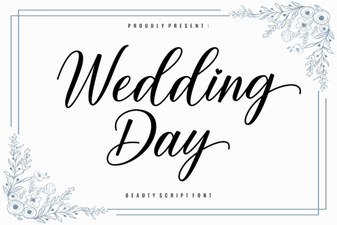 Elegant Wedding Day Font for Invitations and Diy Projects
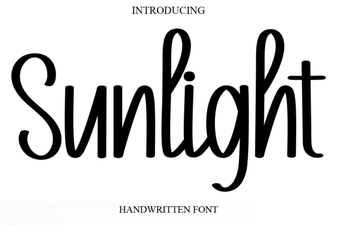 Sunlight Font: Bright and Warm Typography for Creative Designs
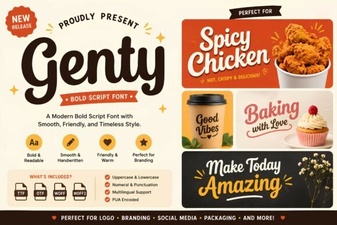 Genty Font – Free Elegant Script Font for Creative Design Projects
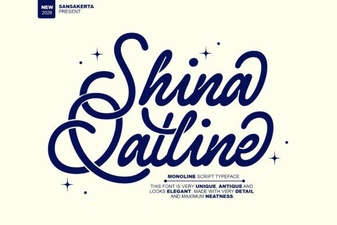 Shina Qatline Font: Creative Design and Project Ideas
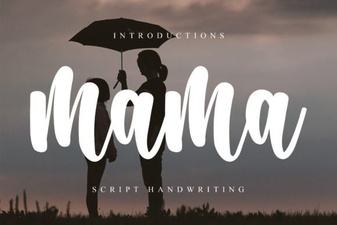 Creative Design Projects with Mama Font
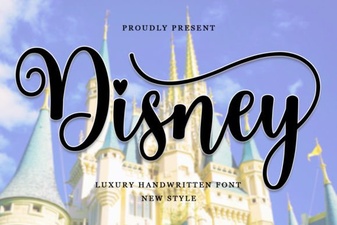 Disney Script Font Generator Free Download Copy and Paste